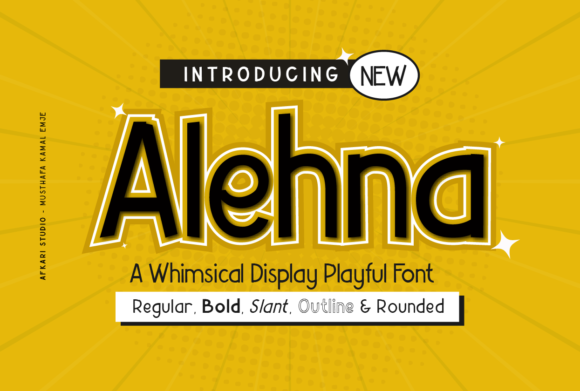
Alehna: A Casual Display Font for Modern Editorial Design
When I was redesigning the header for my lifestyle blog last month, I needed a Display typeface that felt effortless yet sophisticated enough to anchor the site's identity. That search led me to Alehna, a casual display font that immediately changed how I approached my visual hierarchy. It is simple and easy to use, this font will be very beautiful if you mix it with your various craft designs, but its true strength lies in its ability to elevate editorial content without overwhelming the reader.
In the world of digital publishing, choosing the right Fonts is often about balancing personality with functionality. Alehna strikes a rare balance where the character is distinct, but the legibility remains intact even at smaller sizes or on mobile screens. As an editor who has tested dozens of typefaces for everything from recipe ebooks to wedding guides, I found that Alehna brings a specific kind of calm authority to a layout that feels both modern and timeless.
Alehna for Blog Headers and Newsletter Graphics
The first place I tested Alehna was in the header section of a weekly newsletter graphic, where the goal was to grab attention instantly. This casual display font excels when used as a headline because its open forms invite the eye to rest before diving into the body text. Unlike many decorative scripts that can become illegible when scaled down, Alehna maintains a clean rhythm that works beautifully for short, punchy titles.
I paired it with a standard sans serif font for the navigation and subheadings, creating a clear distinction between the brand voice and the functional elements. The result was a layout that felt cohesive and professional. For creators building a course PDF or a printable planner, using Alehna for the main title allows the content to feel curated rather than generic. It adds a layer of design intent that tells the reader, "This content matters," without shouting for attention.
Alehna in Printable Planners and Digital Worksheets
Moving beyond web layouts, I explored how Alehna performs in downloadable assets like coaching workbooks and digital worksheets. These documents require a font that looks polished when printed but also renders sharply on tablets. Alehna delivers on both fronts. Its casual nature softens the rigid structure of a worksheet, making the task at hand feel more approachable and less intimidating for the user.
When designing a chapter opener for a guide, Alehna serves as an excellent anchor. It breaks up dense blocks of text and provides a visual cue that signals a shift in topic. Because it is a display font, it should not be used for long paragraphs of body copy; instead, let it shine in the larger text areas where it can command focus. The contrast between the expressive Alehna headlines and a highly readable serif font for the body creates a sophisticated editorial mood that keeps readers engaged.
Alehna for Wedding Guides and Creative Branding
One of the most striking applications of Alehna I discovered was in a mock-up for a wedding guide ebook. The client wanted something that felt romantic but not overly ornate or cliché. Alehna provided exactly that—it is simple and easy to use, this font will be very beautiful if you mix it with your various craft designs, especially when paired with delicate line art or watercolor accents.
For editorial designers working on magazine covers or feature pages, Alehna offers a fresh alternative to the standard bold serifs. It brings a sense of intimacy to the page, which is crucial for lifestyle and culture publications. When used for pull quotes or sidebars, the font adds a touch of whimsy that aligns well with personal storytelling. However, it is important to remember that as a display font, it is best reserved for headlines, subheads, and decorative accents rather than extended reading.
Alehna for Social Media Graphics and Content Branding
In the realm of social media graphics, where attention spans are fleeting, Alehna acts as a powerful hook. I created a series of quote cards for a creator newsletter using Alehna for the main statement and a clean sans serif for the attribution. The visual weight of Alehna ensures the message is absorbed quickly, while the casual style makes the content feel authentic and relatable.
This versatility extends to packaging design and logo concepts for small businesses. If you are launching a brand that wants to communicate creativity and ease, Alehna is a strong candidate. It avoids the stiffness of formal typefaces while maintaining enough structure to look professional. For independent content brands looking to establish a unique visual identity, integrating Alehna into their logo design or key marketing materials can set them apart in a crowded market.
Alehna for Magazine Covers and Ebook Titles
When I revisited my digital magazine layout project, I replaced the default heading font with Alehna to see how it impacted the overall perception of the publication. The change was immediate. The cover felt more inviting, and the internal article titles gained a sense of personality that matched the editorial tone. This demonstrates why Alehna is such a valuable asset for editors who want to curate a specific atmosphere within their publication.
However, effective typography relies on knowing what not to do. While Alehna is fantastic for titles and large text, it is not suitable for small captions, footnotes, or dense paragraphs of text. Trying to force a display font into body copy roles often leads to readability issues and visual fatigue. The key to success with Alehna, and any premium font of this nature, is strategic pairing. Use a neutral, highly legible serif or sans serif font for the bulk of your content to ensure accessibility across all devices.
Before incorporating Alehna into commercial projects, always check the included styles, alternates, and ligatures to maximize its potential. Understanding the file formats and licensing terms is essential for ensuring you can use the font legally in ebooks, templates, printables, paid newsletters, client publications, or digital downloads. By respecting these guidelines and leveraging the natural strengths of Alehna, designers can create layouts that are not only visually stunning but also functionally superior for their audience.